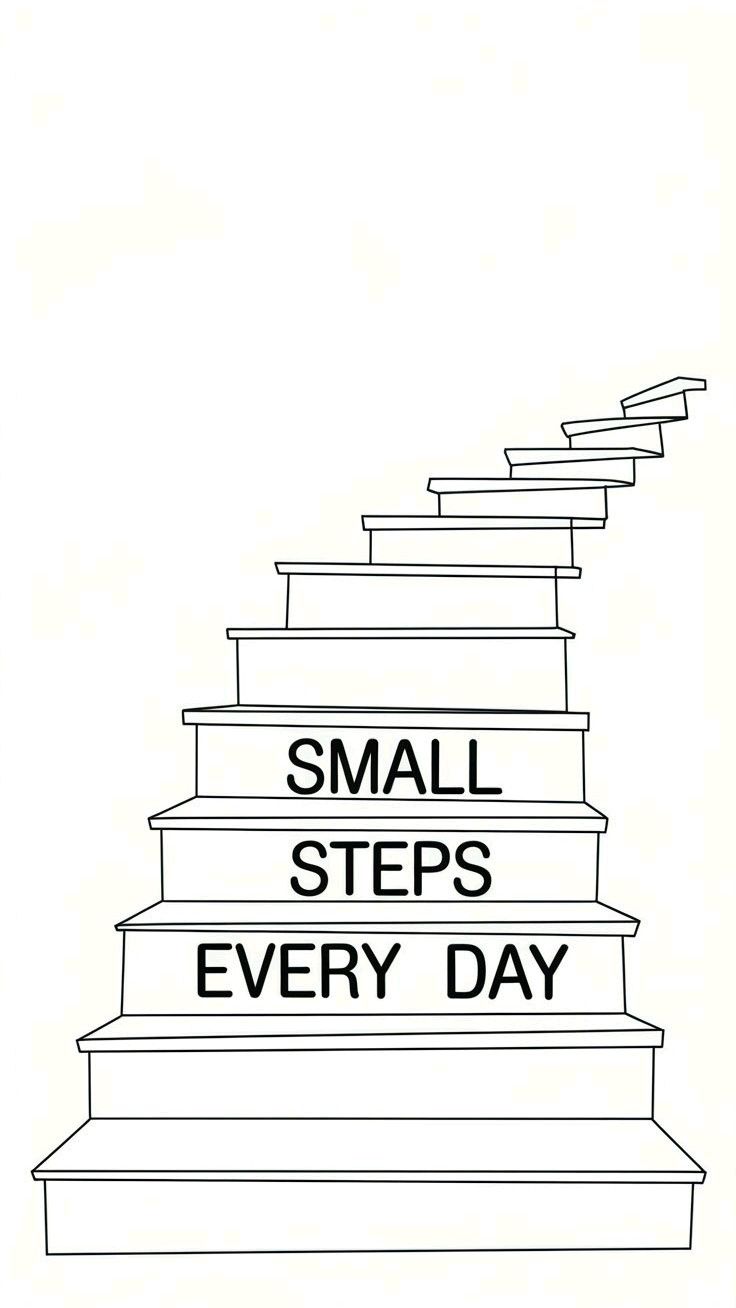
In a world that values speed and quick results, we often expect social change to happen the same way. A donation is made, a project is launched, and impact is expected almost immediately. Yet genuine, sustained change rarely occurs through immediate results.
When it comes to supporting people and communities, progress is not instant. It is gradual, complex, and deeply human.
Change Is Not a Moment, It’s a Process
Social challenges such as poverty, educational inequality, mental health struggles, or social exclusion are not created overnight. They are shaped by years, sometimes generations, of systemic barriers, lived experiences, and missed opportunities. Expecting these realities to be resolved quickly overlooks the depth of what people are actually facing. Real change happens through consistent effort: showing up again and again, building trust, and responding to needs as they evolve. It is a process of learning, adapting, and growing together.
Trust Takes Time to Build
Whether it’s a child learning to feel safe in an educational environment, a young person rebuilding confidence after trauma, or a community regaining trust in support systems, trust cannot be rushed. Trust is built through reliability. Through honesty. Through actions that match words over time. When support is consistent, people begin to believe in the possibility of a different future. That belief is often the first, and most important, step toward change.
Short-Term Help vs. Long-Term Impact
Emergency support plays an important role in moments of crisis. But long-term impact requires more than temporary solutions. Sustainable change focuses on stability: access to education over time, ongoing mental health support, mentorship, community connection, and opportunities that allow people to grow rather than simply survive. Long-term approaches recognize that progress is not always linear. There may be setbacks, pauses, and adjustments along the way. These moments are not failures; they are part of the journey.
The Power of Consistency
Consistency creates space for transformation. When individuals and communities know that support will not disappear after a short period, they are more likely to engage, invest effort, and imagine new possibilities for themselves. This is true across many areas of social impact, from
youth development and education to healthcare and community wellbeing. Stability allows people to focus on growth rather than uncertainty.
Rethinking What Impact Looks Like
We often measure success through numbers and immediate outcomes. While these metrics matter, they don’t always capture the full story. Sometimes impact looks like: A young person staying in school one more year, A family feeling supported rather than isolated, A community slowly rebuilding confidence and connection. These changes may be quiet, but they are powerful. Over time, they shape futures.
A Collective Responsibility
Real change does not belong to one organization, one donor, or one solution. It is the result of collective responsibility—people, communities, and institutions choosing to commit for the long term. When we shift our mindset from quick results to lasting impact, we create space for deeper, more meaningful progress. Because real change isn’t about how fast we act. It’s about how long we’re willing to stay.
Why This Matters to Giving for the Living
At Giving for the Living, we believe that meaningful change is built through patience, commitment, and care. Our work is grounded in the understanding that people and communities need more than short-term support; they need consistency, trust, and the time to grow. We focus on creating long-term impact by supporting initiatives that prioritize dignity, stability, and human connection. Because real change doesn’t happen overnight, and it doesn’t happen alone. It happens when support is sustained, when relationships are nurtured, and when we choose to stay engaged for the long term. This is the approach that guides everything we do, and why we remain committed to supporting lives, not just moments.
One example of this difference can be seen in the work of organisations such as Campaign Against Living Miserably (CALM), a charity focused on preventing suicide. Their helpline provides immediate, life-saving support to people in crisis an essential form of emergency intervention. But CALM's work does not stop there. They also invest in long-term mental health awareness, early support, and community-based prevention efforts aimed at reaching people before they reach a breaking point. This approach recognises that lasting impact in mental health is not only about responding to crisis, but about sustained engagement that reduces the likelihood of crisis occurring at all. It is this preventative, long-term commitment that reflects how real change happens over time.
Authored by: Mariam Saud Ahmed